Comparing Ribbon Screw Blenders and Traditional Mixers
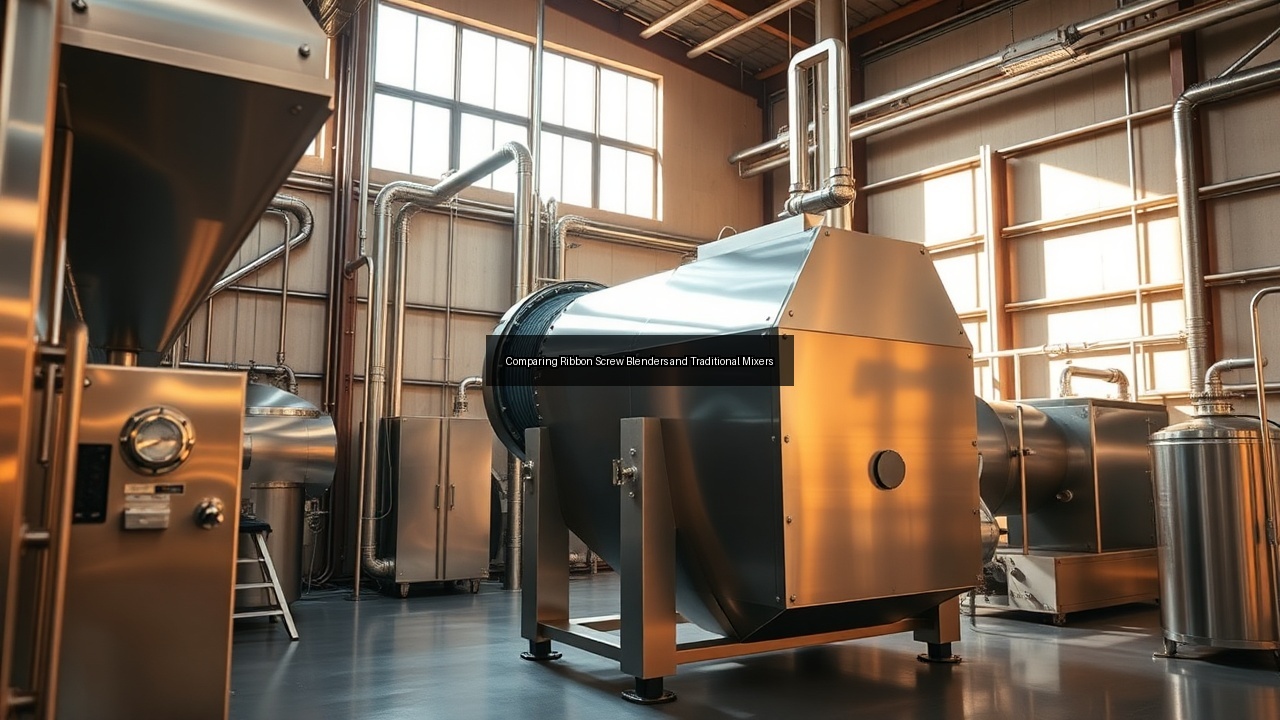
Understanding Ribbon Screw Blenders
What is a Ribbon Screw Blender?
A ribbon screw blender is an industrial mixing machine designed to achieve uniform blending of various materials, particularly powders and granules. This type of blender features a unique ribbon-like agitator that wraps around the interior of a trough-shaped container, providing efficient mixing due to its design. The ribbon's shape allows for both horizontal and vertical movement of materials, promoting thorough blending while minimizing dead spots. Unlike traditional mixers, which often rely on shaking or rotating mechanisms, the ribbon screw blender combines the benefits of both screw and ribbon designs, resulting in a highly effective solution for bulk material processing. Industries that commonly use ribbon screw blenders include food production, pharmaceuticals, and chemicals, where consistent blending is crucial for product quality.
Key Components of Ribbon Screw Blenders
Ribbon screw blenders consist of several key components that contribute to their effectiveness. The main body, or trough, is usually constructed from high-grade 304 stainless steel, ensuring durability and resistance to corrosion. The ribbon screw itself is made of robust material and is designed to rotate around a central shaft, creating a continuous flow of materials. Additionally, many models ribbon blender screw feature end plates that help contain the product and prevent spillage. The drive mechanism, often powered by an electric motor, determines the RPM and horsepower of the blender, directly impacting its mixing capabilities. Furthermore, some ribbon blenders are equipped with rotary valves, which control the discharge of mixed materials, adding to their versatility.
How Ribbon Screw Blenders Operate
Ribbon screw blenders operate through a relatively straightforward mechanism that maximizes mixing efficiency. As the ribbon screw rotates, it moves materials in a circular motion along the trough. The design allows for both horizontal and vertical movement, ensuring that all materials are evenly distributed and blended. The continuous flow created by the rotation minimizes clumping and promotes uniformity. Operators can adjust the RPM to suit specific materials and desired blending outcomes, making these blenders adaptable for different applications. The incorporation of a rotary valve at the discharge point allows for controlled release of the blended product, enhancing operational efficiency and reducing waste.
Comparative Analysis with Traditional Mixers
Design Differences: Troughs and Construction Materials
Ribbon screw blenders differ significantly from traditional mixers in terms of design and construction. Traditional mixers often feature a cylindrical shape, with a mixing paddle or blade that generates movement through rotation. In contrast, ribbon screw blenders utilize a trough design, allowing for a larger volume of materials to be mixed at once. The construction materials also vary; while traditional mixers may use less durable metals, ribbon screw blenders are predominantly made from 304 stainless steel, enhancing their longevity and resistance to wear and tear. The design of the trough in ribbon blenders supports a more efficient mixing process, as it allows for better material flow and minimizes the risk of product segregation.
Mixing Efficiency: RPM and Horsepower Comparison
Mixing efficiency in ribbon screw blenders typically surpasses that of traditional mixers due to their design and operational capabilities. The ability to adjust RPM allows for tailored mixing based on the material's properties. Traditional mixers may struggle with larger batches or more complex materials, while ribbon blenders can handle a wider variety of powders and granules with ease. Horsepower also plays a crucial role; ribbon screw blenders often require higher horsepower to power the ribbon screws effectively, enabling them to manage dense or viscous materials. This increased efficiency translates to faster blending times and superior product consistency, making ribbon screw blenders a preferred choice in many industrial applications.
Applications: When to Choose a Ribbon Screw Blender Over a Traditional Mixer
Choosing between a ribbon screw blender and a traditional mixer hinges on the specific application and material requirements. Ribbon screw blenders excel in situations that demand uniformity and consistency, making them ideal for blending powders, granules, and even pastes. Industries such as food production, pharmaceuticals, and chemical manufacturing often prefer ribbon blenders for their ability to mix larger volumes effectively. In contrast, traditional mixers may be more suitable for smaller batches or ribbon blender screw simpler mixing tasks. When product quality and mixing efficiency are priorities, ribbon screw blenders provide the right solution, especially when dealing with diverse materials that require precise blending.
Advantages of Ribbon Screw Blenders
Consistent Mixing of Powders and Granules
Ribbon screw blenders offer unparalleled consistency when mixing powders and granules. The unique design of the ribbon screws ensures that materials are continuously circulated throughout the trough, minimizing the chances of uneven blending. This homogeneity is vital in industries where product quality directly affects performance and safety, such as in pharmaceuticals or food manufacturing. The capability to handle varied particle sizes without compromising mix quality further solidifies the ribbon screw blender's status as an essential tool for industrial mixing. Users can expect reliable results batch after batch, leading to improved product quality and customer satisfaction.
Versatility in Handling Various Materials
Ribbon screw blenders demonstrate impressive versatility, accommodating a wide range of materials. From fine powders to larger granules, these blenders adapt to different textures and densities with ease. Their design allows for efficient blending of both dry and wet materials, making them suitable for diverse applications. Manufacturers often choose ribbon screw blenders for their ability to handle complex formulations, including those with varying moisture content. This adaptability not only streamlines production processes but also minimizes the need for multiple types of mixers, reducing equipment costs and optimizing space in manufacturing facilities.
Durability of 304 Stainless Steel Construction
The construction of ribbon screw blenders from 304 stainless steel ensures durability and longevity, making them a wise investment for industrial operations. This high-quality material resists corrosion, wear, and chemical damage, maintaining the integrity of the mixer over time. The durability of 304 stainless steel also contributes to lower maintenance costs, as operators can rely on these blenders for extended periods without frequent replacements or repairs. This resilient construction is particularly beneficial in environments where hygiene is paramount, such as food processing or pharmaceuticals, as it facilitates easy cleaning and compliance with industry standards.
Considerations for Purchasing and Operating
Factors to Consider: Size and Capacity
When purchasing a ribbon screw blender, size and capacity are critical factors to consider. These blenders come in various sizes, suitable for small-scale operations to large industrial facilities. Assessing the required capacity for production helps in selecting the right model. Choosing a blender that is too small may hinder production efficiency, while an oversized model can lead to unnecessary costs and space usage. Additionally, consider the available floor space in your facility, as ribbon screw blenders require adequate room for operation and maintenance. Proper sizing ensures optimal performance and a smoother production workflow.
Maintenance Tips for Optimal Performance
Regular maintenance is essential for ensuring the longevity and optimal performance of ribbon screw blenders. Operators should implement a routine cleaning schedule to remove any residual materials, preventing contamination and buildup. Inspecting the ribbon screws for signs of wear and tear is crucial; replacing worn components promptly can prevent further damage to the unit. Lubricating moving parts according to the manufacturer’s specifications will help maintain smooth operation and reduce noise levels. Keeping the blender in good condition enhances its efficiency, prolonging its lifespan and ensuring consistent product quality over time.
Understanding Rotary Valves and Their Role in Blending
Rotary valves play a significant role in the operation of ribbon screw blenders, particularly in controlling the discharge of mixed materials. These valves allow for a precise release of the blended product, improving workflow efficiency and reducing waste. Understanding how rotary valves function can enhance the blending process; they maintain a consistent flow rate, which is essential for continuous production lines. Properly adjusted rotary valves prevent backflow and ensure that materials exit the blender smoothly. Familiarizing oneself with their operation is vital for anyone involved in the management or operation of ribbon screw blenders, as it contributes to the overall effectiveness of the blending process.
See Also
- How Ribbon Screw Blenders Revolutionize Powder Mixing Processes
- The Future of Mixing Technology: Trends in Ribbon Screw Blenders
- How to Optimize Dry Blending Processes with Ribbon Mixers
- Unlocking the Power of Ribbon Screw Blenders for Efficient Industrial Mixing
- Innovative Designs in Ribbon Blenders for Better Powder Homogeneity