Marine Lubricant Grease Essential for Rust Protection
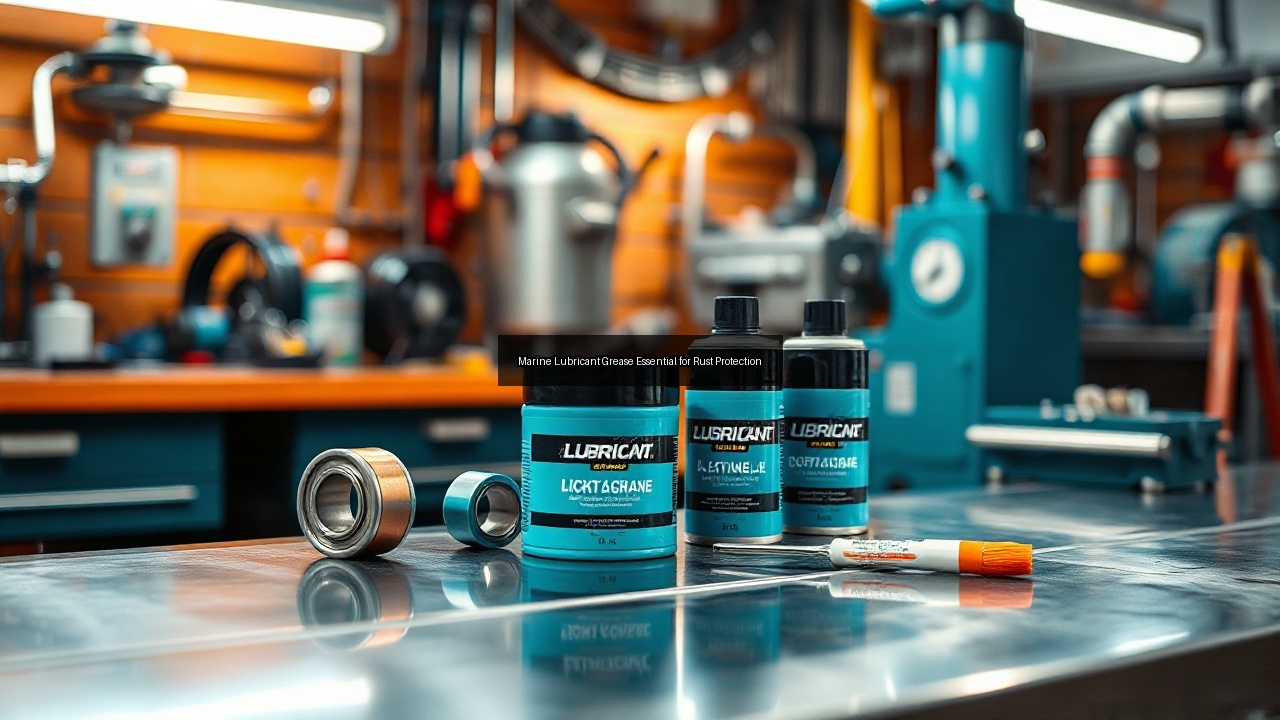
Understanding Marine Lubricant Grease
What is Marine Lubricant Grease?
Marine lubricant grease serves as a protective barrier against rust and corrosion in marine applications. This specialized grease contains additives that help resist moisture, making it ideal for use in environments where water exposure is constant. Unlike standard greases, marine lubricant grease is formulated to withstand the harsh conditions associated with saltwater, humidity, and temperature fluctuations. By creating a film on metal surfaces, it protects against oxidation and wear, ensuring machinery operates smoothly and efficiently. The performance of marine lubricant grease directly impacts the longevity of equipment, making it essential for boat owners and operators to choose the right type.
Types of Marine Lubricant Grease
Several types of marine lubricant grease cater to specific needs in the marine industry. Lithium grease stands out for its versatility, providing excellent water resistance and high-temperature performance. Silicone grease lubricant offers additional protection against moisture and is ideal for plastic gears and rubber o-rings, while also ensuring smooth operation in various temperatures. Other formulations may include heavy-duty greases designed for extreme pressure, ensuring reliable protection for bearings and machinery under demanding conditions. Each type of lubricant grease plays a critical role in maintaining the efficiency and reliability of marine equipment, making proper selection crucial.
Importance of Lubricating Oil in Marine Applications
Lubricating oil complements marine lubricant grease by reducing friction and wear in various components. It plays a pivotal role in maintaining optimal performance in engines, gearboxes, and other machinery. The right lubricating oil can help disperse heat, preventing overheating and ensuring components function correctly. In marine applications, where equipment faces high moisture levels and salt exposure, using high-quality lubricating oil becomes even more essential. Products designed to reduce wear and maintenance, while extending service intervals, help improve uptime and efficiency, particularly in harsh marine environments. A well-chosen lubricating oil, combined with the appropriate lubricant grease, ensures reliable and long-lasting performance.
Benefits of Using Lubricant Grease for Rust Protection
How Lubricant Grease Prevents Rust
Lubricant grease plays a vital role in preventing rust formation on metal surfaces. The grease creates a protective layer that acts as a barrier against moisture and corrosive elements. When applied to bearings, hinges, and other exposed metal parts, it significantly reduces the risk of oxidation caused by water and air contact. The unique formulation of marine lubricant grease includes anti-corrosive additives that enhance its protective capabilities. This proactive approach helps maintain the integrity of machinery and prolongs its lifespan. Regular application of lubricant grease is crucial, especially in high-moisture operations, to ensure consistent rust protection.
Reducing Friction and Wear with Grease Lubricant
Friction and wear can lead to significant mechanical failure if not managed properly. Lubricant grease effectively reduces friction between moving parts, thereby minimizing wear on components. When parts like wheel bearings, gears, and machinery operate with less friction, they experience less heat buildup, which can lead to overheating and premature failure. The right grease lubricant not only extends the life of these components but also enhances overall operational efficiency. By selecting high-performance options designed for demanding grease points, operators can ensure that machinery remains in peak condition, reducing downtime and maintenance costs.
Extending Component Life with the Right Grease
Choosing the right lubricant grease directly impacts the lifespan of critical components. Advanced formulations that include high-performance additives provide superior protection against wear and degradation. Greases designed to perform in high-moisture operations or extreme temperatures ensure that machinery operates smoothly under challenging conditions. For example, lithium grease excels in high-pressure situations, while silicone grease is perfect for delicate applications involving plastic or rubber parts. By regularly applying the appropriate lubricant grease, operators can significantly extend service intervals and reduce the frequency of repairs, leading to more efficient and cost-effective machinery operation.
Selecting the Right Lubricant Grease for Your Needs
Factors to Consider in Grease Selection
Selecting the appropriate lubricant grease involves several crucial factors. First, consider the operating environment. Marine applications require greases that resist moisture and corrosion. Next, evaluate the temperature range in which the grease will perform. Different greases have varying thermal stability, which affects their efficacy at high or low temperatures. Additionally, understand the specific requirements of the equipment. For instance, equipment under extreme pressure may benefit from heavy-duty formulations, while precision machinery might require specialized lubricating grease that won’t interfere with performance. Thoroughly assessing these factors ensures optimal protection and performance for your machinery.
High-Performance Options for Extreme Conditions
High-performance lubricant greases are essential for machinery operating under extreme conditions. When exposed to high temperatures, heavy loads, or aggressive environments, standard greases may fail. Formulations designed to withstand severe operating conditions often include advanced thickeners and anti-wear additives. These greases perform exceptionally well in demanding applications, ensuring that equipment remains functional and efficient. For instance, greases that maintain their consistency and protective properties even in high-moisture environments are critical for marine vessels. By selecting high-performance options, operators can significantly reduce the risk of mechanical failures and extend the life of their equipment.
Specialized Formulations for Marine Environments
Marine environments pose unique challenges for lubrication due to high humidity, saltwater exposure, and temperature fluctuations. Specialized lubricant greases cater to these specific conditions, offering enhanced protection against rust and corrosion. These formulations often contain unique additives that resist washout from water and provide long-lasting lubrication. Selecting a grease designed specifically for marine applications ensures that greases formulated to protect industrial equipment critical components, such as bearings and gears, receive the protection they need to operate smoothly. Operators should prioritize grease that meets or exceeds relevant industry standards for marine lubrication to ensure reliability and performance.
Application and Maintenance of Marine Lubricant Grease
Best Practices for Applying Grease to Bearings
Applying lubricant grease correctly is essential for maximizing its protective benefits. Begin by thoroughly cleaning the surfaces to remove any old grease, dirt, or contaminants. Use a suitable brush or tool to apply the grease evenly to bearings, ensuring complete coverage. Avoid over-greasing, as this can lead to excess pressure and potential leaks. Regular application longer component life with the right grease intervals depend on operating conditions, so operators should establish a maintenance schedule to keep equipment properly lubricated. Following best practices not only enhances performance but also contributes to the longevity of bearings and other components, reducing the risk of rust and wear.
Maintaining Rust Protection in High-Moisture Operations
In high-moisture operations, maintaining rust protection requires vigilance and proactive measures. Regularly inspect equipment for signs of corrosion or wear, especially in areas prone to water exposure. Reapply lubricant grease as needed, ensuring that the protective layer remains intact. Consider using additional protective coatings or sealants for critical components that face the harshest conditions. Implementing a rigorous maintenance routine that includes the application of high-quality marine lubricant grease will significantly enhance rust protection and overall machinery performance.
Using Lubricant Grease in Various Marine Equipment
Marine equipment varies widely, from engines to trailers and winches. Each component may require a specific type of lubricant grease to ensure optimal performance. For instance, using lithium grease for wheel bearings helps withstand high loads and temperatures, while silicone grease is ideal for o-rings and plastic components. Understanding the unique lubrication needs of each piece of equipment is crucial. Always refer to manufacturer guidelines for grease recommendations, and choose products that are specifically formulated for marine use. By doing so, operators can create a comprehensive lubrication strategy that enhances performance and reduces maintenance costs.