The Benefits of Upgrading Your Furnace Blower Housing
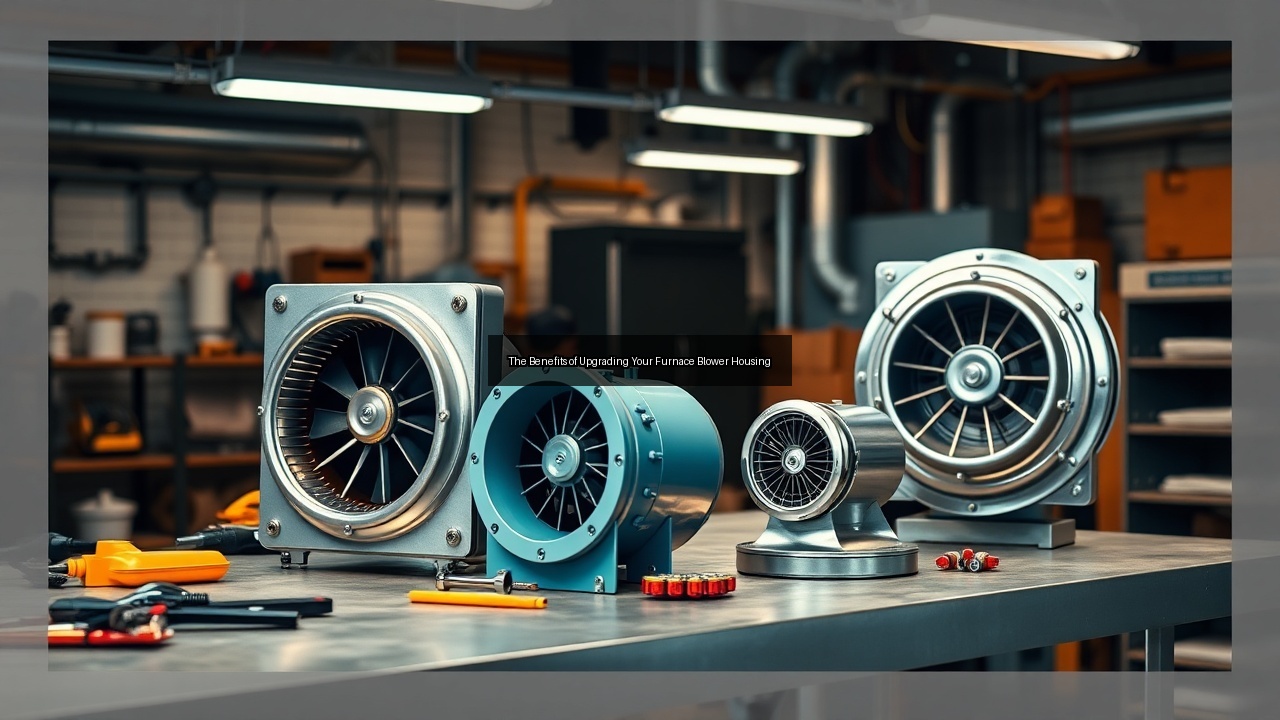
Understanding Furnace Blower Housing
What is Furnace Blower Housing?
Furnace blower housing serves as the protective and functional casing that encloses the blower fan within an HVAC system. This component plays a crucial role in directing airflow and ensuring that the heated or cooled air is distributed efficiently throughout your home. The blower housing not only supports the blower fan but also helps in minimizing vibrations and noise, thereby enhancing the overall functionality of the furnace or air conditioner. A well-designed blower housing contributes to the longevity of the HVAC system, making it an essential focus for homeowners considering upgrades or replacements.
Components of a Blower Housing Assembly
A blower housing assembly typically comprises several key components, including the blower fan, motor, air filter, and the housing itself. The blower fan, often referred to as a blower, circulates air through the HVAC system. The motor powers the fan and can come in different types, such as ball bearing or sleeve bearing motors, each with its own advantages. The air filter, which is frequently housed within or adjacent to the blower assembly, captures dust and allergens, ensuring that only clean air is circulated throughout the living space. These components work in unison within the blower housing to optimize airflow and maintain comfort levels in the home.
Importance of Blower Fans in HVAC Systems
Blower fans play a pivotal role in the performance of HVAC systems. They facilitate the movement of air through ducts and into various rooms, ensuring consistent temperature control. An efficient blower fan minimizes energy consumption, which translates to lower utility bills. When the blower fan operates effectively within its housing, it enhances the system's overall efficiency, allowing for quicker heating or cooling. Furthermore, a well-functioning blower fan reduces strain on the HVAC system, prolonging its lifespan and reducing the likelihood of costly repairs. Regular maintenance and timely upgrades of the blower housing can significantly improve the performance of these essential components.
Advantages of Upgrading Your HVAC Blower Housing
Improved Efficiency of HVAC Systems
Upgrading your HVAC blower housing can lead to significant improvements in system efficiency. Modern blower housings often incorporate advanced designs and materials that reduce friction and enhance airflow. This improvement means that your furnace or air conditioner can operate more effectively, resulting in lower energy consumption. Additionally, an upgraded blower housing may allow for better sealing, which prevents air leaks and ensures that conditioned air reaches its intended destinations without unnecessary wastage. Enhanced efficiency not only contributes to a more comfortable living environment but also translates into substantial savings on energy bills over time.
Enhanced Airflow and Comfort
One of the most immediate benefits of upgrading your blower housing is the enhancement of airflow throughout your home. A new blower housing often features optimized designs that improve the distribution of air, ensuring that every room receives adequate heating or cooling. With better airflow, the HVAC system can maintain consistent temperatures, leading to increased comfort for all occupants. Improved airflow also means reduced hot and cold spots in the home, creating a more pleasant living environment. Homeowners can enjoy the benefits of a well-functioning HVAC system that responds quickly to temperature changes, making everyday life more comfortable.
Reduction in Noise Levels
Noise levels in HVAC systems can be a significant concern for homeowners. Upgrading to a modern blower housing often results in a noticeable reduction in operational noise. New designs incorporate noise-reducing features and materials that help dampen vibrations and sound produced by the blower fan. A quieter system not only enhances comfort but also contributes to a more peaceful home environment. For families or individuals who value tranquility, reducing HVAC noise levels can make a considerable difference. Upgrading the blower housing can transform a loud, disruptive system into a quiet, efficient one.
Choosing the Right Blower Housing for Your Needs
OEM vs. Aftermarket Options
When considering an upgrade to your HVAC blower housing, one of the first decisions involves choosing between OEM (Original Equipment Manufacturer) and aftermarket options. OEM parts are typically designed to fit specific models, ensuring compatibility and performance. They often come with warranties that provide peace of mind. On the other hand, aftermarket parts may offer cost savings and potentially enhanced features, but compatibility and quality can vary. Careful consideration of your HVAC system's requirements and your budget will help you make the best choice for your home. Ensuring that the blower housing aligns with your furnace or air conditioner model is critical for optimal performance.
Factors to Consider: Brand, Size, and Compatibility
Several factors influence the selection of the right blower housing for your HVAC system. The brand is crucial; reputable brands tend to offer better quality and reliability. Size matters as well, as an improperly sized blower housing can lead to inefficiencies or even failure of the HVAC system. Compatibility with existing components, such as the blower fan and motor, is essential to ensure seamless integration. Homeowners should check specifications and consult professionals if needed to avoid mismatches. Taking the time to evaluate these factors ensures a successful upgrade that enhances the overall performance of your HVAC system.
Understanding Ball Bearing vs. Sleeve Bearing Motors
The type of motor used in your blower housing can significantly impact its performance and longevity. Ball bearing motors generally last longer and operate more quietly than sleeve bearing motors, making them a preferred choice for many homeowners. Ball bearing motors handle higher loads more effectively, which translates to improved efficiency and reduced wear over time. However, sleeve bearing motors often come at a lower cost and may suffice for smaller or less demanding applications. Understanding the differences between these motor types will help you choose the right blower housing assembly for your specific HVAC needs.
Maintenance and Warranty Considerations
Regular Maintenance for Optimal Performance
Regular maintenance is essential for keeping your HVAC blower housing and overall system functioning efficiently. Routine checks of the blower fan, motor, and air filter can prevent issues before they escalate. Cleaning the air filter regularly allows for better airflow and reduces strain on the blower fan, promoting longevity. Additionally, inspecting the blower housing for debris or wear can help identify potential problems early. Scheduling professional maintenance at least once a year ensures that your HVAC system operates at peak performance, helping to maintain comfort and reduce energy costs.
Understanding Warranty Coverage
When upgrading your HVAC blower housing, it’s crucial to understand the warranty coverage associated with your new component. Most OEM parts come with warranties that cover defects and performance issues for a specified period. Reading the fine print can reveal what is included and excluded, ensuring you know your rights as a consumer. Aftermarket options may also have warranties, but these can vary widely. Knowing what’s covered under warranty helps protect your investment and can save you money on potential repairs.
Feedback from Users: Real-World Experiences
User feedback plays a vital role in understanding the effectiveness of different blower housings and their impact on HVAC performance. Many homeowners share their experiences online, providing insights into how specific brands and models perform over time. Positive feedback often highlights improved efficiency, reduced noise levels, and enhanced comfort. Conversely, negative reviews may indicate compatibility issues or subpar performance. Taking the time to research real-world experiences can help guide your purchasing decisions, ensuring you choose a blower housing that meets your expectations and needs.